More farmers are using health hubs than ever

Posted on: 20th February, 2026

Why market-based health services matter - and why more must be done.

Farming has never been an easy living, but for many, the pressure feels heavier than ever. Rising costs, policy change, labour shortages, unpredictable weather and long working hours all add to the strain. While physical resilience is part of the job, mental resilience is quietly being stretched to its limits.

Mental health is still not something many farmers feel comfortable talking about. Pride, stigma and a “just get on with it” mentality mean that support is often only sought at crisis point. For some, even registering with a GP or making an appointment feels like one step too far.

That is why health hubs based in livestock markets and agricultural events are proving to be a vital lifeline. By meeting farmers where they already are, these services are breaking down barriers, starting conversations and, in some cases, saving lives.

Health hubs at the heart of the mart

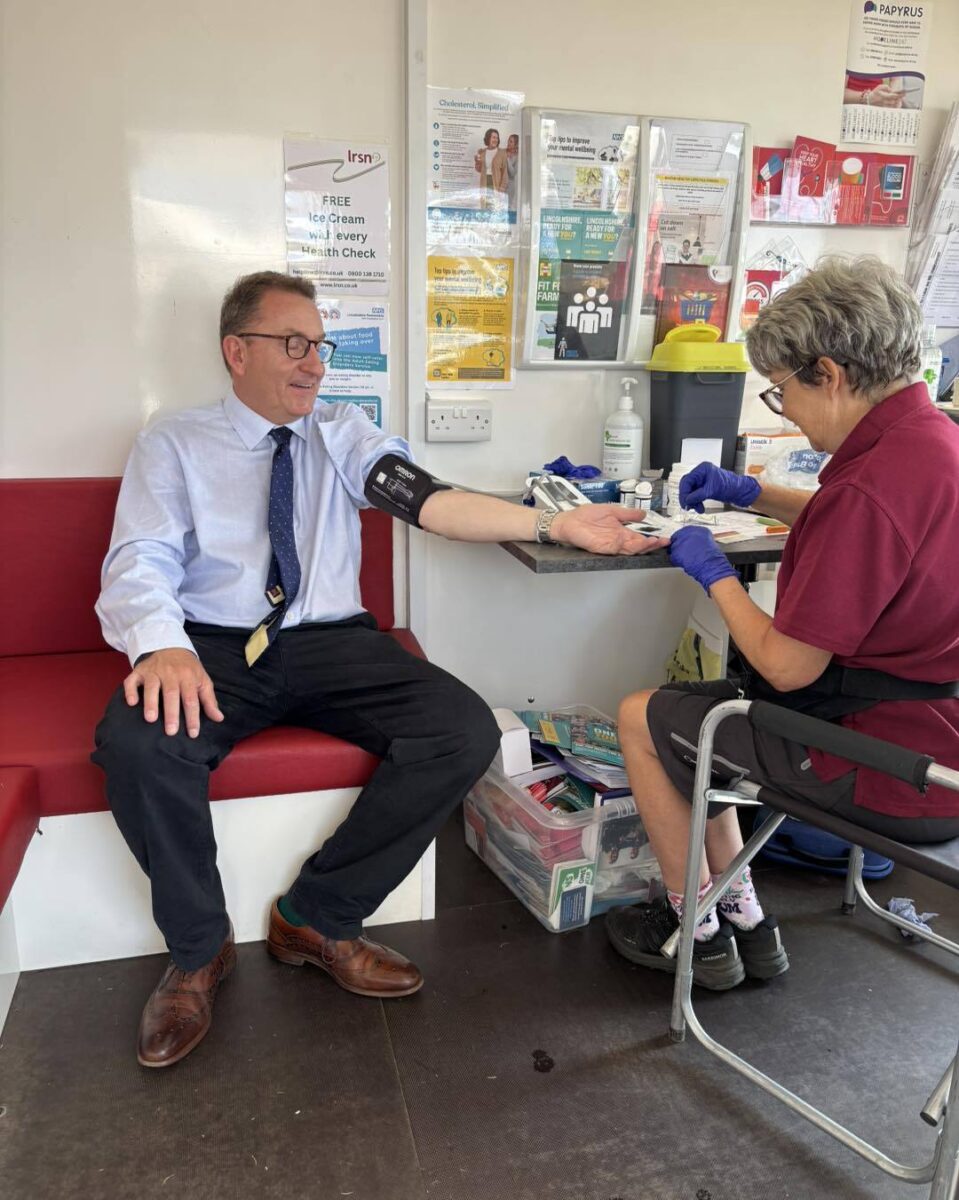
At Melton Mowbray Market in Leicestershire, a health hub supported by the Lincolnshire Rural Support Network (LRSN) operates every two weeks. Funded through a combination of market support, council landlords and charitable fundraising – including the Fatstock Society – the hub offers blood pressure checks, blood sugar & cholesterol testing and ECGs in a familiar, non-clinical environment.

While the checks themselves are physical, what they often uncover goes far deeper.

Amy Thomas, Head of Charity at LRSN, says the demand for mental health support among farmers has risen sharply. “Calls relating to farmers’ mental health have risen by 249% over the past six years,” she explains. “In the last year alone, 11 people were identified as being at risk of suicide, and 33 people were affected by the suicide of someone close within the farming community.”

Alongside this, LRSN is seeing a clear increase in diagnosed conditions such as depression and anxiety, with more people – particularly younger men – turning to alcohol or drugs as a coping mechanism.

“Many farmers are at the end of their tether,” Amy says. “Stress levels are rising, largely due to the rapid and ongoing changes we’re seeing across agriculture.”

She believes the market setting is crucial. “Our market health hubs are vital in identifying mental health issues. Farmers are often far more comfortable coming in for a physical check-up, and those routine checks frequently open the door to conversations about mental wellbeing.”

Hugh Brown, CEO of Melton Mowbray Market, agrees. “Those already important physical checks become conversation starters,” he says. “While there, farmers also start talking about stress, exhaustion, financial worries and family pressures. It gives people the chance to speak to someone friendly and unearth issues that might otherwise stay hidden.”

Wales: taking health support on the road

In Wales, the DPJ Foundation is taking a slightly different approach – but with the same aim. Based in Carmarthen Livestock Market, South Wales, the registered charity operates a mobile health hub: a converted lorry that travels directly to livestock marts, agricultural shows and Young Farmers events.

Since December 2023, one lorry has been on the road across South and West Wales. In the past year alone, the service saw 1,425 farmers, with 167 mental health conversations recorded in 2025 – a figure that continues to rise.

Charity Manager Kate Miles says the simplicity of the service is key. “We provide an opportunity for a chat,” she explains. “What happens in the room is confidential. Farmers can access support without anyone knowing – and that’s absolutely crucial in farming.”

The lorry is volunteer-run and supported by a paid registered nurse, with health checks kept deliberately routine - blood pressure, blood sugar and basic screenings.

Importantly, whilst the DPJ Foundation is a mental health charity, the lorry is deliberately not branded and focuses on physical health. “Farmers would be reluctant to talk to us if we were,” Kate explains. “There’s still a huge stigma. But because we offer routine health checks, the conversations happen naturally.”

Demand is growing so fast that the charity is expanding. In February, a second lorry will launch to cover North Wales, stopping at marts along the way. A second nurse has been recruited, and more are being sought, with the aim of keeping travel times to under an hour. Planned locations include Dolgellau, Ruthin and Welshpool marts.

Funding, however, remains a challenge. The first lorry was funded through a legacy grant tied to the farming community, covering three years. The second has been funded through donations and reserves – a significant commitment. While NHS funding has been explored, it would require changes to reporting and data collection that could undermine the anonymity farmers value so highly.
England: hubs embedded in the market

Elsewhere in England, similar models are proving effective. At Frome Livestock Market in Somerset, the Frome Market Health Hub operates every Wednesday – the market’s main sale day. The hub is a partnership with Somerset NHS Foundation Trust, with NHS nurses and mental health practitioners attending every other week, while the charity funds weekly podiatry and, more recently, physiotherapy clinics.

Around ten people attend on an average week. Some come for physical checks, others to speak with an emotional wellbeing practitioner.

“What we often find is that farmers aren’t registered with a GP at all,” says trustee Diana Bourne. “Market-based clinics allow us to flag up issues early – from blood sugar and cholesterol to skin concerns and prostate health. Sometimes, a reassuring word is the most helpful thing.”

The social element of markets plays a big role too. Livestock marts are places of connection, conversation and community – and that sense of familiarity helps normalise health support.

Taking healthcare to farmers

Further north, Field Nurse, a charity operating across the North of England, provides health support at seven regional marts each week. Mental wellbeing is a key focus, particularly in communities where negative perceptions around mental health and rural isolation remain strong. 

Trustee Kathryn Phillips says demand has surged. “Our service is getting busier every year. We’ve more than doubled the number of consultations at auctions in the past year, and the number of people seen at agricultural shows has also more than doubled.”

Field Nurse is funded through farmer donations and grant funding and maintaining – let alone expanding – the service is a constant consideration. What makes it work, Kathryn says, is trust.

“Our nurses are registered professionals, many with agricultural backgrounds. They attend the same auctions regularly, build relationships over time, and always have a confidential space to see people. Most importantly, they have the time to listen – something that isn’t always possible elsewhere.”

The bigger picture

Across all these services, the same themes emerge: rising demand, increasing mental health conversations, and the vital importance of trust, confidentiality and accessibility.

Health hubs in marts are proving that bringing healthcare to farmers works. They reach people who would otherwise fall through the cracks, reduce stigma, and catch problems early. But many operate on short-term or year-to-year funding, leaving their future uncertain.

“These hubs are good value and fill a gap the NHS isn’t covering,” Hugh Brown at Melton Mowbray Market says. “They need long-term support and national recognition.”

For some farmers, these hubs are their only contact with professional healthcare. That alone shows how vital they are.

The Livestock Auctioneers Association is a strong advocate for health hubs. “Livestock markets are the heart of our farming communities, and health hubs show how markets support farmers far beyond the point of sale, playing a vital role in supporting farmers’ wellbeing by providing accessible, trusted support in a place where farmers already gather, and they deserve long-term support,” Livestock Auctioneers Association development officer, Zanna Dennis. 

Health hubs are helping – but if farmers’ physical and mental health is truly a priority, they cannot be left to survive on goodwill alone. Long-term funding, strategic support and a joined-up approach are needed.