How marts are improving safety

Posted on: 27th July, 2026

Over the past five years, livestock markets across the UK have been working to improve safety through MartSafe Training, a programme developed by the Livestock Auctioneers Association (LAA) specifically for the auction mart sector.

Since its launch in 2021, the training has been delivered at more than 180 sessions involving over 4,000 participants to a total of 81 livestock markets across the UK and Ireland. 

As Farm Safety Week shines a spotlight on reducing accidents and improving awareness across agriculture, those involved in the programme believe there are lessons from the mart environment that can benefit the wider livestock sector.

Industry-led training

The training was developed by the LAA in response to a recognised gap in industry-specific health and safety training for livestock markets. Before MartSafe training, there was no recognised benchmark for market-focused safety training.

It was launched in 2021 by former auctioneer and LAA education committee chairman, Gwyn Williams, and LAA development officer, Zanna Dennis. 

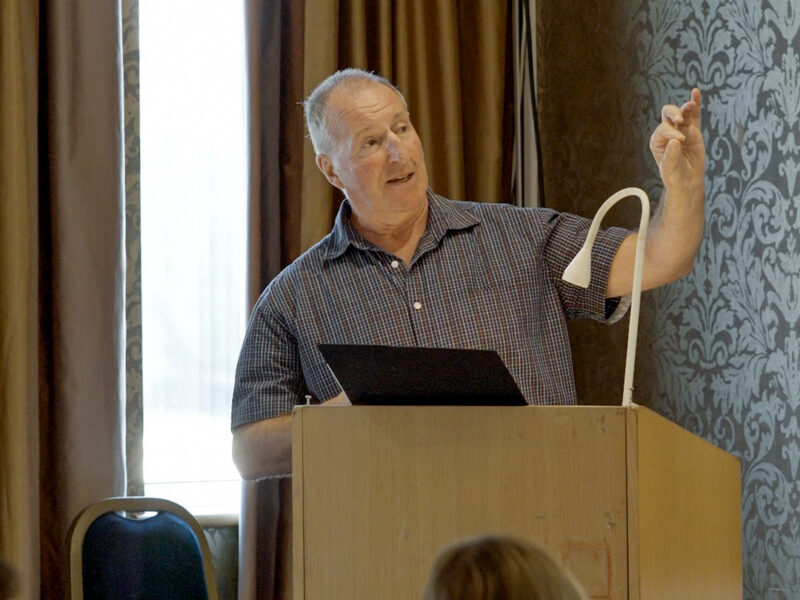
"There was a huge need for it," says Gwyn. 

"Markets had their own procedures and some businesses provided training, but there wasn't an industry standard that focused specifically on the unique challenges of livestock markets. The LAA recognised that and created something tailored to the industry."

MartSafe has been developed specifically for livestock markets, combining training in livestock handling, animal welfare workplace safety and the latest industry legislation.

Mr Williams believes the programme has become one of the most important member services the association has introduced.

"It has increased awareness of animal behaviour, safe handling techniques, people management and animal welfare. Most importantly, it has encouraged staff to think about why animals behave as they do and how small changes can make a big difference to safety," adds Mr Williams. 

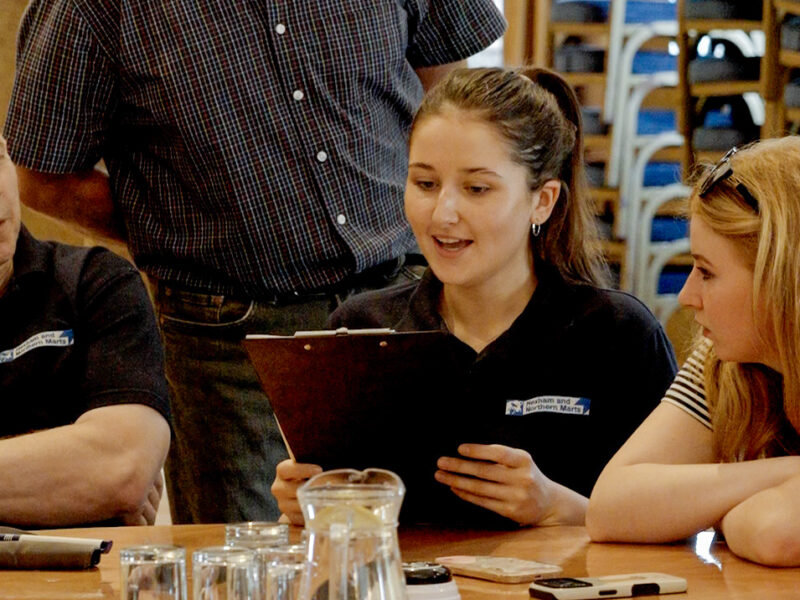
Ms Dennis says MartSafe is about helping people understand why livestock behave the way they do, rather than telling them how to do their job. Through practical exercises, including specialist "animal vision" goggles, participants learn how factors such as flight zones, point of balance and handling techniques can reduce stress for livestock and improve safety for everyone.

“Everything we do is specific to the livestock market and it can be applied on farm. We’re passionate about it being for all staff in the market, we always mix groups and ask for feedback and we’re continually improving. Plus, it’s become a great team building day for the marts we work with,” says Ms Dennis. 
Responding to industry changes

MartSafe is delivered by trainers Zanna Dennis and Gwyn Williams and is updated annually to reflect emerging industry challenges and participant feedback.

The programme is built around four core themes: animal behaviour, safe handling, people behaviour and animal welfare.

Additional modules have covered topics including mental health awareness – partnering with the DPJ Foundation and the ‘Farming Stronger for Longer’ campaign from Field Nurse, physical wellbeing, disease prevention, biosecurity, animal activism and the management of escaped livestock. 

One of the most memorable elements of the course is a practical exercise using specially designed "animal sight" goggles.

The goggles simulate the vision of cattle and sheep, helping participants understand how livestock perceive their surroundings.

Combined with market sounds played through headphones, the exercise demonstrates how disorientating handling environments can be for animals.

"It completely changes how people think about livestock movement," says Ms Dennis.

"When people understand that cattle and sheep don't see what we see, it helps explain why they hesitate at ramps, stop at corners or react unexpectedly. Once you understand the science behind their behaviour, handling becomes safer and more effective."

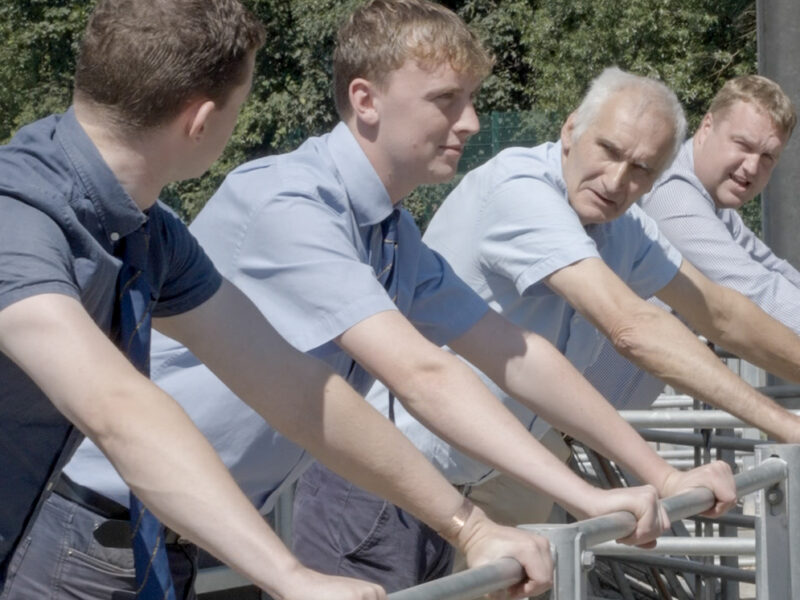
Participants learn how to work with animals' natural instincts to encourage calmer movement through handling systems.

Benefits beyond compliance

While health and safety remain the central objective, market operators say the benefits go much further.

Gareth Wall, vice-chairman of the LAA and a director at Sunderlands Markets LLP, which operates in Hereford, Builth Wells and Talgarth markets, says the training has encouraged markets to take a more holistic approach to safety.

"It heightens awareness of everything around you," he says.

"People become more aware of livestock behaviour, public safety, their own responsibilities and the condition of the facilities they work in every day.

"It encourages everyone to look critically at how the market operates and ask whether things can be improved."

Staff are encouraged to identify hazards, report maintenance issues and contribute ideas for improving procedures.

Mr Wall says the result is a stronger culture of shared responsibility.

"Everyone has a role to play, whether they're an auctioneer, a drover, an office administrator or part of the management team.

"The training empowers people to speak up and suggest improvements."

Many markets have subsequently reviewed handling systems, upgraded facilities and introduced new procedures as a result of ideas generated during training sessions.

Supporting welfare and wellbeing

Another key development has been the inclusion of wellbeing and mental health awareness.

Working with organisations including the DPJ Foundation, the programme has introduced guidance on recognising signs that someone may be struggling and how market staff can provide support.

For many farmers, livestock markets remain an important social hub.

McCartneys market compliance and regulations officer, Sara Dyke, has been doing the training since it began, says the MartSafe has helped staff appreciate the role they can play in supporting farming communities.

"Markets are often one of the few places where farmers get together and talk," she says.

"We have a lot of contact with people and it's important that staff understand the signs that someone may be struggling and know how to approach those conversations."

Mrs Dyke says the programme's practical nature has been key to its success.

"It's much more than a tick-box exercise. Every year there is something new to learn and it keeps safety, welfare and wellbeing at the front of people's minds."

Ultimately, she believes the programme benefits everyone who comes through the market.

“If we can improve the way we handle livestock, look after one another and create a safer environment for staff, farmers and animals, then that’s a positive outcome for the whole industry.”

Reaching beyond the mart

Although MartSafe was developed for LAA member markets, there is growing interest in extending its reach.

Many of the principles taught during the course are equally relevant on farm, particularly as livestock handling systems, and management practices continue to evolve.

Mr Williams believes there is increasing demand from local farmer groups who want access to the training.

"A lot of farmers who also work in markets have taken ideas back to their own farms and made changes," he says.

"The key principles are the same. Understanding animal behaviour, reducing stress and thinking about safety before entering a situation benefits everyone."

The LAA is now exploring opportunities to deliver dedicated training sessions for farmers through local livestock markets.

Next steps

As Farm Safety Week highlights the importance of reducing accidents and improving awareness across agriculture, those behind MartSafe believe livestock markets can continue to lead by example.

Five years on, the programme has become an established part of staff development for many auction marts, helping create safer environments for workers, customers and livestock alike.

The next challenge is sharing that knowledge more widely.

Farmers interested in learning more are encouraged to contact their local livestock market to ask about MartSafe training opportunities and future farmer-focused sessions.