
Breeding sheep trade remained buoyant despite pressure from drought and bluetongue

Posted on: 27th October, 2026

Breeding sheep sales across England and Wales have reported a positive trade this summer, with strong demand and rising prices despite the continued challenges posed by drought, bluetongue and higher production costs.
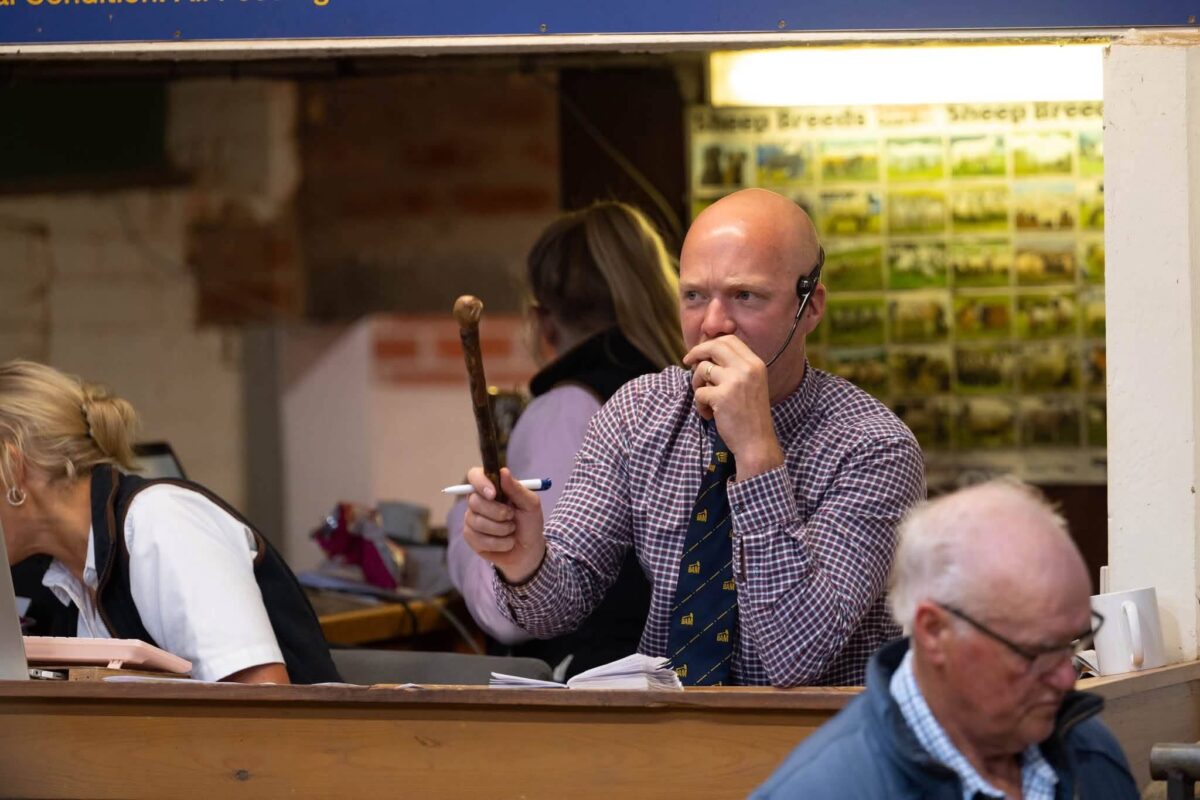
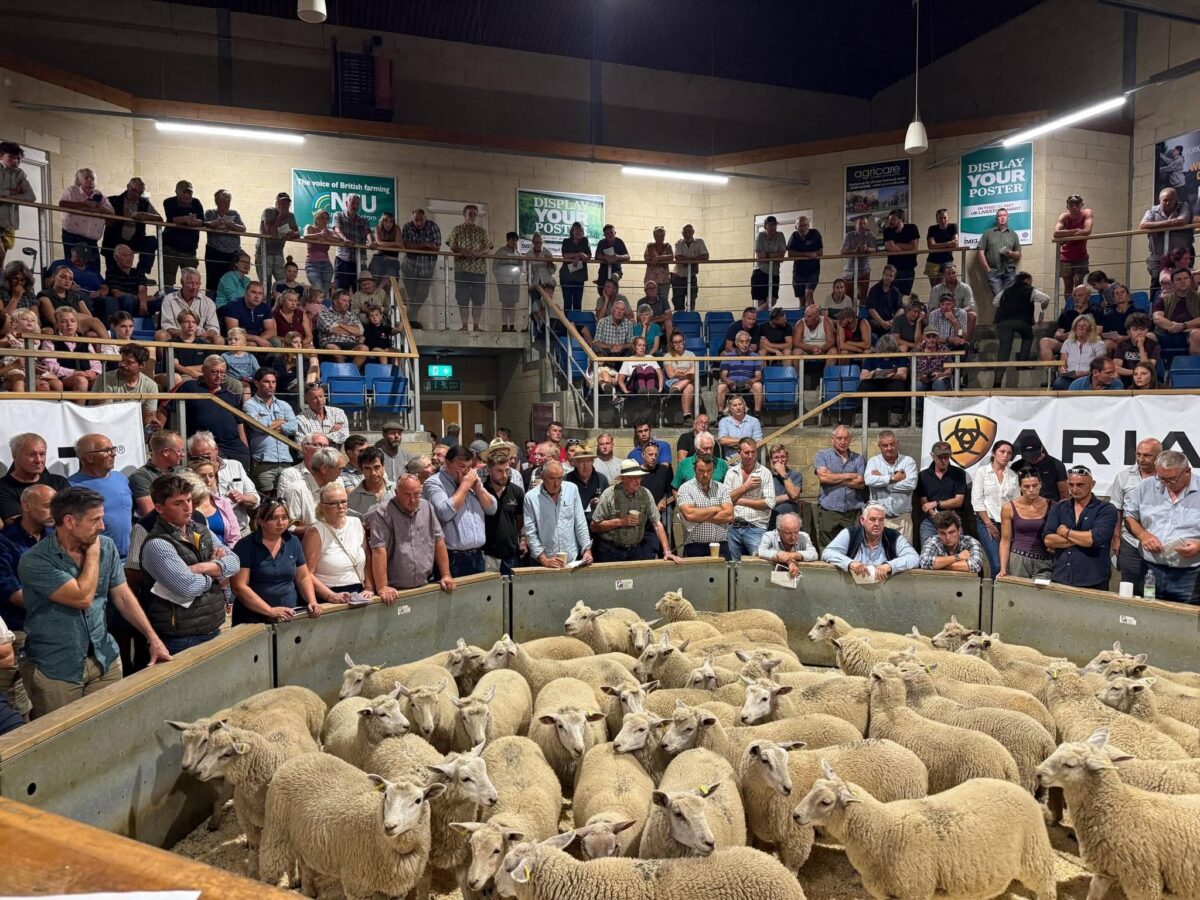
At Bentham Auction Mart in the North West, gimmer shearlings sold on 29 August at sharper averages than the previous year, up £39, while the North of England Mule gimmer lamb sale on 12 September saw the average rise to £193, compared with £160 last year, an increase of £33/head.

Auctioneer Will Alexander attributed the strength of the trade to a reduced national flock, fewer sheep in hill areas and increased investment potential following the strong shearling sale. Around 80% of sheep at the mart were vaccinated against bluetongue, helping to give buyers confidence.

“We’re seeing a buoyant market across the sector, and it’s good to see people willing to invest in breeding sheep,” he said.
The trade has also been firm in the South East. John Rossiter of Ashford Livestock Market reported store lamb prices around £10 a head higher across recent sales, with ewe lambs up by approximately £28. He linked the increase to strong finished lamb prices, fewer sheep available and confidence among buyers following sizeable returns.

However, drought continues to create uncertainty around forage availability and winter feed. Rossiter said the market could strengthen further if rainfall improves grazing and forage prospects.

“People are keen to buy, but there’s still a question mark over grass and winter keep. If we get some decent rain and winter feed crops establish well, I think that could give buyers even more confidence and push prices higher,” he said.

In the South West, the impact of bluetongue has been more pronounced. Exeter auctioneer Russell Steer reported breeding sheep prices £30–£50 a head higher, but highlighted losses of 30–40% among some affected flocks. The vast majority of sheep in the area are vaccinated, while others have developed natural immunity, although isolated cases of bluetongue do occur.

“Bluetongue has had a massive effect on the region, particularly through losses and concerns over fertility. Vaccination is now a key consideration for buyers, and breeding sheep without protection are becoming increasingly difficult to sell,” he said.

Despite the uncertainty, the live auction ring continues to demonstrate its value and resilience, according to Zanna Hall, Development Officer at the Livestock Auctioneers’ Association. “Buyer demand remains high, and breeding sheep trade across the country remains strong,” she said.